

When consumers pick up a product, they expect one simple thing: a consistent experience. Whether it is the taste or texture, the product must remain unchanged from the first bite to the last. For food manufacturers, this consistency is achieved through more than just a recipe; it depends on the packaging—specifically, the Laminated Pouch.
Laminated Pouches and Food Quality Control
A laminated pouch consists of multiple film layers, each serving a distinct purpose:
- Structural Layer: Provides strength and durability.
- Oxygen Barrier: Prevents oxidation that alters taste and color.
- Moisture Barrier: Maintains crispness and prevents sogginess.
- Seal Layer: Ensures airtight closure.
The critical factor is not the number of layers but the structural consistency. If the barrier is thinner than specified or the sealing is unstable, product quality will drop instantly.
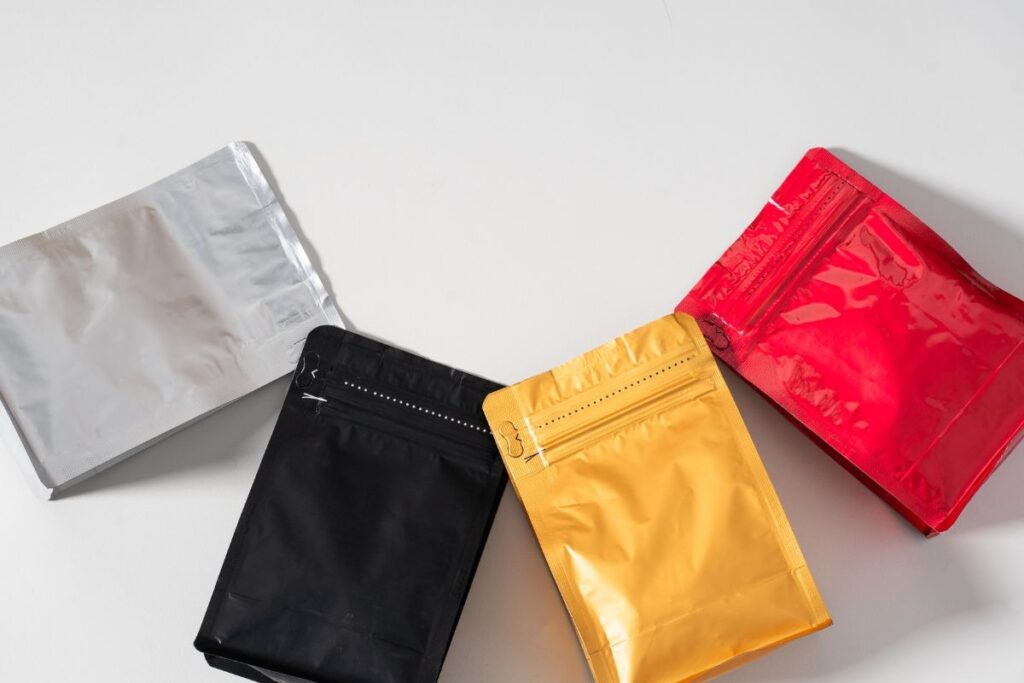
3 Critical Factors Packaging Must Control
Business losses often stem not from every pouch failing, but from “certain pouches” failing due to these factors:
Oxygen
High-fat foods like nuts or fried snacks are sensitive to oxidation. Poor oxygen control leads to premature rancidity.
Moisture
Products like dried fruits or seaweed lose their appeal the moment they absorb moisture. An unstable moisture barrier changes the texture completely.
Seal Strength
During transit, pressure and impact test the seals. If sealing is inconsistent, hidden risks accumulate long before the product reaches the shelf.
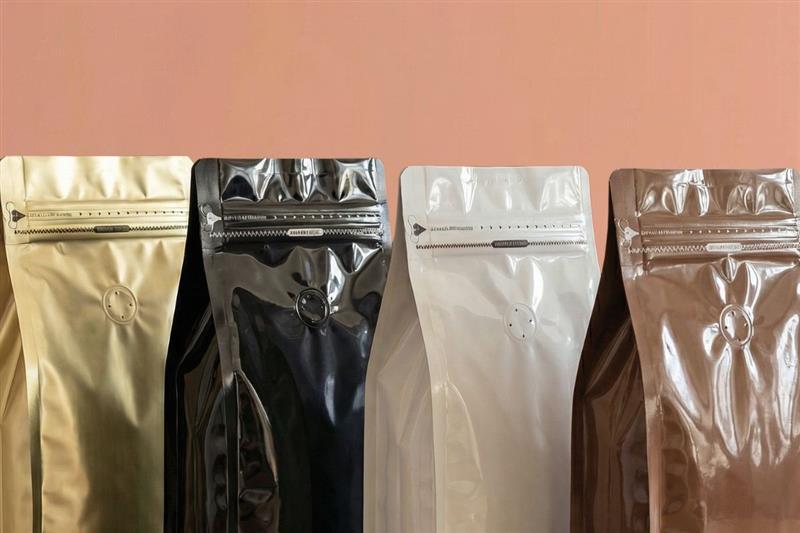
Laminated Pouches and Brand Image
Food brands compete on more than just flavor; they compete on reliability. Trust is built through a consistent customer experience, not just advertisements. A laminated pouch does more than just wrap the product. It acts as a guardian of quality across all channels, whether in Modern Trade, retail stores, or warehouse storage.
When material structure and production are stable, quality variance decreases. A stable product creates a strong brand image that speaks for itself.
When a Laminated Pouch Is Not the Solution
Selection must align with the nature of the product:
- Fresh Produce: Fresh fruits and vegetables continue to respire. They require breathable packaging (Modified Atmosphere) rather than a high-barrier seal.
- High-Heat Sterilization: Products undergoing retort processing require specific retort-grade structures that can withstand extreme pressure and heat.
HOEI’s Standard in Laminated Pouch Production
At HOEI, we view lamination as an exact science rather than just bonding films. We strictly control technical variables, including precise thickness, stable temperatures, and consistent pressure across every batch.
We prioritize the “stability” of our packaging so that food manufacturers can focus on growth without worrying about end-of-line issues.