

When pouring a refill product into its original bottle, the problem often does not start with opening the cap. It happens during pouring. Some liquids flow too quickly and spill, while thicker products need to be squeezed out of the pouch. If the entire refill is not used at once, the remaining product also needs to be closed and stored for later. The larger or heavier the pouch, the more important it becomes to hold it steadily and direct the product into the bottle opening.
A Refill Pouch therefore needs to do more than simply hold liquid. The spout, pouch shape, cap, and flexibility of the material all affect how the product is refilled. When the pouch format matches the viscosity and intended use of the product, consumers can pour or squeeze it more easily, store the remaining contents after use, and reduce spills during refilling.
What Products Can Use a Refill Pouch?
A Refill Pouch is packaging for liquid or semi-liquid products that need an opening for pouring or squeezing, together with a cap that can be closed again after use. The pouch carries the weight of the product, while the spout helps direct the flow. This allows the product to be poured into another container or used directly from the pouch over several occasions.
Different products vary in viscosity, flow, and method of use, so Refill Pouches can be used across many categories, including:
- Laundry detergents and household cleaners that are relatively fluid and often poured into an existing bottle
- Fabric softeners and dishwashing liquids that may be poured in larger quantities and stored after partial use
- Shampoos and conditioners that are thicker than many household cleaners and may need both pouring and squeezing
- Liquid soaps, lotions, creams and gels with textures ranging from fluid to relatively thick, making spout size important
- Sauces, dipping sauces and some liquid seasonings where flow, viscosity, and material compatibility with the food formulation need to be considered
- Beverages and some other liquid products that may use capped pouches when repeated opening and closing or controlled pouring is needed
A product that flows like water behaves very differently from shampoo or lotion. A pouch that works well for laundry detergent may therefore not perform in the same way when filled with conditioner, even if both products use the same pack size.
How Does a Refill Pouch Make Pouring, Using and Storing Products Easier?
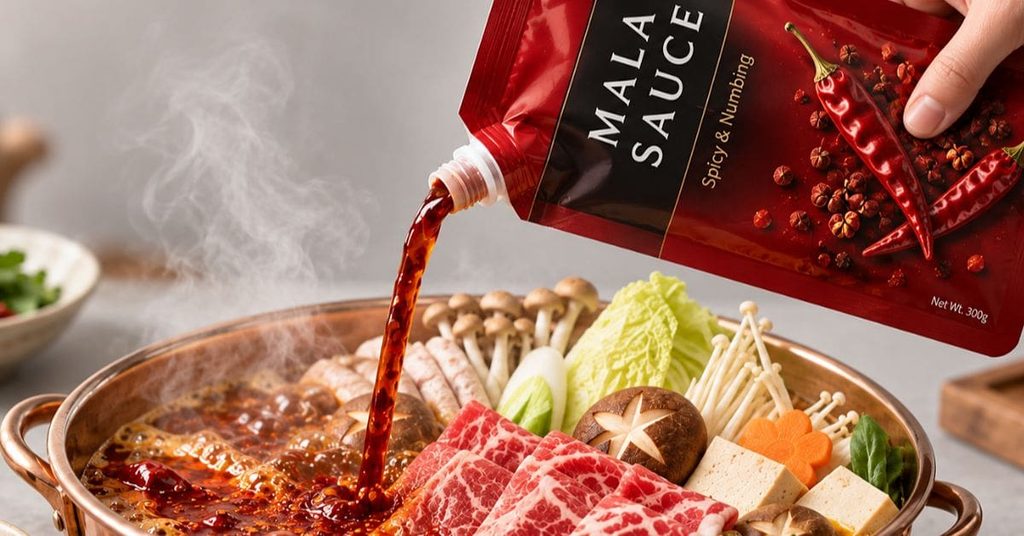
1. The Spout Helps Control the Flow During Refilling
Laundry detergent, household cleaner, and other low-viscosity liquids can flow out of a pouch very quickly. If the opening is too wide or the liquid leaves the pouch without enough control, it can be difficult to direct into a bottle with a narrow neck.
A spout helps guide the liquid into a more controlled stream, reducing the chance of spilling onto the side of the bottle or onto the user’s hands. This becomes even more useful with larger refill packs, where the weight of the pouch can make pouring more difficult to control.
2. Spout Size Should Match Product Viscosity
Shampoo, conditioner, lotion, cream, and gel are generally more viscous than many household liquids. They may not flow immediately when the pouch is tilted and often require the user to squeeze the pouch to push the product out.
If the spout opening is too small, the user may need to squeeze harder and spend longer emptying the pouch. A spout size that suits the product viscosity helps the contents flow more continuously and can reduce the amount left trapped in the corners or bottom of the pouch.
3. A Cap Makes It Easier to Store the Product After Use
Many refill products are not used up in one go, especially large packs of laundry detergent, shampoo, conditioner, or household cleaners. Consumers may pour only part of the product into the original bottle and keep the rest for later.
A cap is useful both during use and storage. The pouch can be closed again without transferring the remaining product to another container. It also helps reduce the chance of spills while the pouch is being moved or stored, particularly for products kept in bathrooms, laundry areas, or other places where they are used regularly.
4. The Spout and Cap Help Reduce Residue Around the Opening
Sauces, dipping sauces, lotions, and other thicker products can leave residue around the pouch opening after pouring. If the product runs down the side or collects around the cap threads, the user may need to wipe the area before closing the pouch each time.
A spout that suits the flow characteristics of the product helps direct the contents more cleanly. An easy-to-use cap also allows the pouch to be opened and closed without unnecessary contact with the product. These small details make a noticeable difference when the pouch is used repeatedly.
5. The Pouch Collapses as the Product Is Used
As the contents of a Refill Pouch decrease, the pouch becomes smaller and collapses around the remaining product. Users can squeeze, fold, or press the pouch to move the contents towards the spout, which is particularly useful for thicker products that tend to remain on the inside of the pack.
This gives the pouch a different end-of-use experience from rigid packaging, which keeps the same shape even when only a small amount of product remains. The pouch also takes up less storage space as it becomes empty.
How Is a Refill Pouch Different from a Bottle?
A bottle is a rigid container that can be picked up, opened, poured, and placed back down while keeping the same shape regardless of how much product remains. A Refill Pouch is more flexible and changes shape as the contents are used. It can be squeezed or folded to help push out the remaining product and takes up less storage space as it gets closer to empty. This makes it suitable for products designed to refill an existing container or for refill packs stored for later use.
Another difference is what happens after the product has been opened. Refill Pouches are generally lighter than rigid bottles and can be easier to store or transport. A cap also allows partially used contents to remain in the pouch without being transferred to another container. This can work well for laundry detergents, shampoos, creams, gels, and other liquid products that are opened and used several times.
Refill Pouch Production at Hoei Thailand
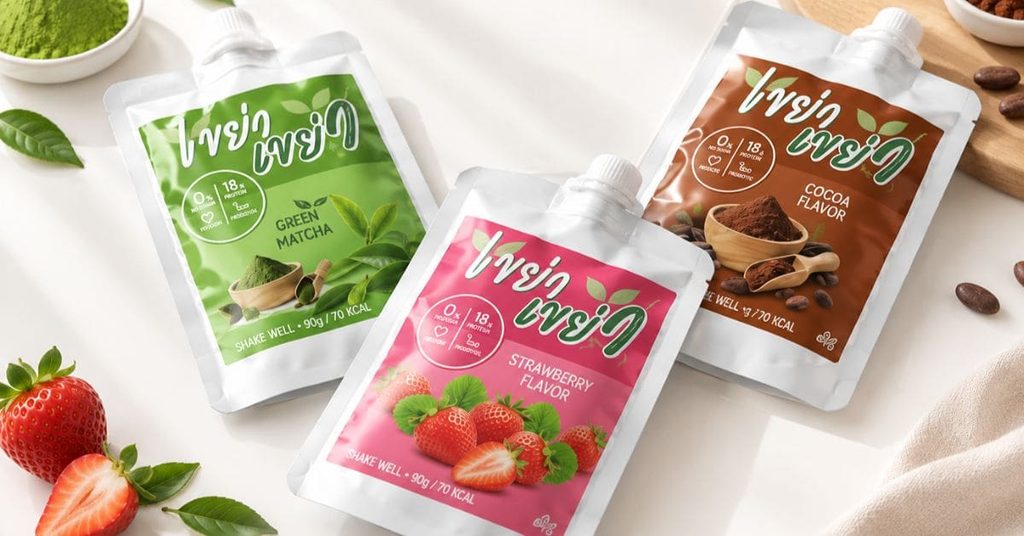
A Refill Pouch works best when the pouch format matches the product inside. Different liquids have different viscosities, flow characteristics, pouring methods, and storage requirements after opening. A fast-flowing detergent may need better control during pouring, while shampoo, lotion, or gel needs to be easy to squeeze out. For products used over several occasions, the cap also affects how conveniently the remaining contents can be stored.
Hoei Thailand manufactures Refill Pouches for liquid and semi-liquid products. Pouch format, spout, cap, size, and material can be considered according to the characteristics of the product, together with printed packaging for brands preparing products for retail. The aim is to match the pouch with the way the product is filled, refilled, and used by consumers.
FAQ
What Products Are Suitable for a Refill Pouch?
Refill Pouches are suitable for many liquid and semi-liquid products, including laundry detergents, household cleaners, shampoos, conditioners, lotions, liquid soaps, and other refill products. The pouch structure and cap format should be selected according to the characteristics of each product.
Can a Refill Pouch Help Reduce Spills?
It can help reduce the risk of spills when the spout, cap position, and pouch structure suit the product. Testing with the actual product is recommended before large-scale production, particularly for products with high viscosity or heavier fill weights.
Can a Refill Pouch Replace a Bottle for Every Product?
No. Some products are still better suited to rigid bottles or containers. The choice depends on the way the product is used, customer habits, sales channels, and transportation requirements.
What Information Should Be Prepared Before Ordering Refill Pouches?
Useful information includes the product type, fill volume, viscosity, method of use, sales channel, production quantity, printing requirements, and artwork files if available. These details help the packaging manufacturer assess which pouch format is suitable for the product.