

The retort pouch was born from a thermal sterilization process known as retorting, which involves heating food under high pressure at temperatures ranging from 121°C to 135°C. The goal of this process is to eliminate all microorganisms—such as bacteria, fungi, and spores—that could cause spoilage, without requiring refrigeration. This high-heat sterilization extends shelf life while maintaining the product’s taste, color, and aroma over time.
The packaging that can withstand these intense conditions is the retort pouch, first developed for military use during World War II. The aim was to provide soldiers with long-lasting, ready-to-eat meals that didn’t require refrigeration but still retained freshness and safety. Beyond food preservation, the retort pouch reduced overall weight and improved portability, becoming the foundation of today’s ready-to-eat food packaging.
The Evolution of the Retort Pouch: Beyond Preservation
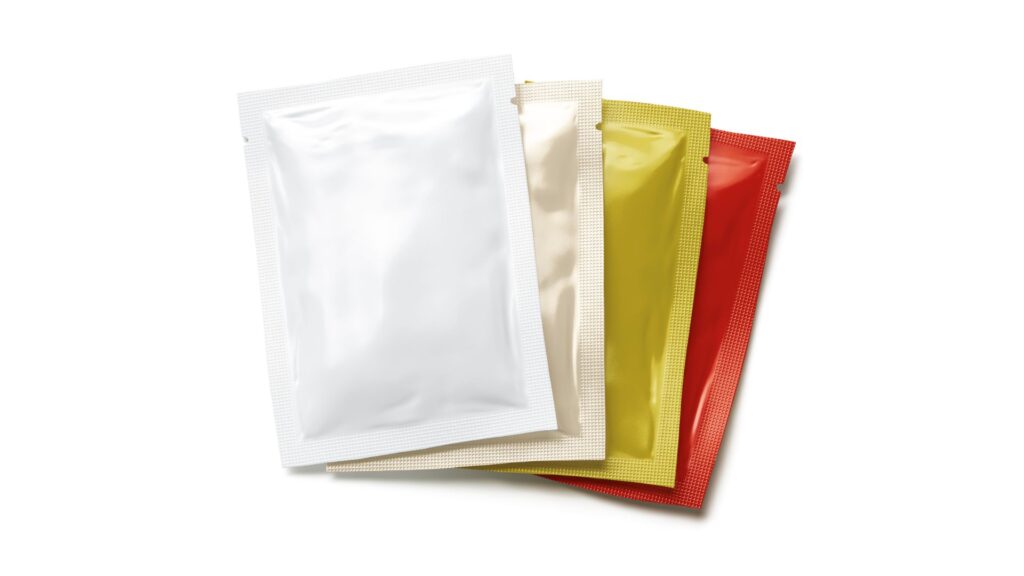
Originally designed for survival in the battlefield, the retort pouch has become a global food packaging innovation. As manufacturing and sterilization technologies advanced alongside consumer expectations, the retort pouch evolved into more than just packaging, it’s now a critical part of a logistics system that helps reduce energy costs, carbon emissions, and food waste.
1. Lower Logistics and Transportation Energy Costs
One of the retort pouch’s major advantages is that it’s 60–70% lighter than metal cans. This significantly reduces fuel consumption during transportation. According to research by the Flexible Packaging Association (FPA, 2020), switching from metal cans to retort pouches reduces packaging weight by up to 80% per unit and cuts total shipping costs by approximately 25–30% per distribution cycle.
2. Energy-Efficient Manufacturing
Retort pouches are made from multiple film layers such as PET, Nylon, and CPP that require significantly less energy to manufacture compared to steel or aluminum cans. On average, producing retort pouches consumes 70–80% less energy per packaging unit.
3. Extended Shelf Life Reduces Food Chain Losses
Because retort pouches allow for ambient-temperature storage, they greatly reduce the need for refrigerated warehousing and cold-chain logistics. The Food and Agriculture Organization (FAO) reports that using extended shelf life packaging can reduce food waste by 20–25% in the ready-to-eat food category. This helps not only to lower production costs due to reduced spoilage but also decreases the overall environmental footprint.
4. Convenience and Safety for All Consumers
Retort pouches are easy to tear open and heat, making them ideal for general consumers as well as emergency scenarios such as disaster relief, military operations, and long-distance travel. Their ability to preserve both taste and nutritional value, even at room temperature, ensures safety and convenience for every use case.
While retort pouches are more expensive to produce than standard plastic pouches due to multi-layer materials, high-pressure sterilization, and strict quality standards, they are considered cost-effective in the long term. They provide strong ROI in terms of performance, risk reduction, and product value enhancement.
A Long-Term Investment in Reducing Food Supply Chain Losses
The cost of retort pouches can be 3–5 times higher than regular plastic bags. However, since they eliminate the need for refrigeration, they reduce expenses tied to cold storage and cold-chain transportation, which in many cases cost far more than the packaging itself.
Expanding Export and Market Opportunities
Another compelling reason why food manufacturers choose retort pouches is their ability to enable global shipping without refrigeration. This is particularly important for products like Thai curries, soups, and sauces, which often contain coconut milk and oils prone to spoilage in warm climates. With retort pouches, such products can now reach new markets—even those lacking cold-chain infrastructure.
Boosting Brand Value Through Premium Perception
From a consumer perspective, the retort pouch is seen as having the same safety standards as canned food, but with a more modern and convenient form factor. Products packaged in retort pouches are typically priced 10–15% higher than similar products in regular packaging due to the perception of added cleanliness, safety, and premium quality, benefits consumers are willing to pay extra for.
Hoei Retort Pouches: For the Future of Food Business
The retort pouch is a result of comprehensive innovation, balancing food safety with production efficiency. Its ability to store food at room temperature for extended periods has revolutionized the food industry, transforming how we think about storage, transportation, and food waste reduction.
Retort pouches are not just for large-scale manufacturers, they open the door for small and medium-sized businesses to extend product shelf life, expand into international markets without relying on cold-chain systems, and reduce losses from expired products. Over time, this results in significant cost savings and reflects a commitment to quality and consumer safety at every step.For food businesses aiming to upgrade safety and quality standards, Hoei offers retort pouch solutions designed and manufactured according to international food industry standards. These pouches safely support high-pressure sterilization processes (retorting), making them ideal for ready-to-eat meals, seasoning packets, and sauces that require extended shelf life without sacrificing taste or nutritional value.