

Selecting the right laminated pouch for strong-smelling or high-fat foods should begin with a more fundamental question: What causes the product to degrade? Laminated packaging is most effective when its structure is designed to counteract the specific causes of quality loss. The following principles can be used to evaluate packaging solutions for various types of processed foods.
1. Is the food sensitive to oxygen?
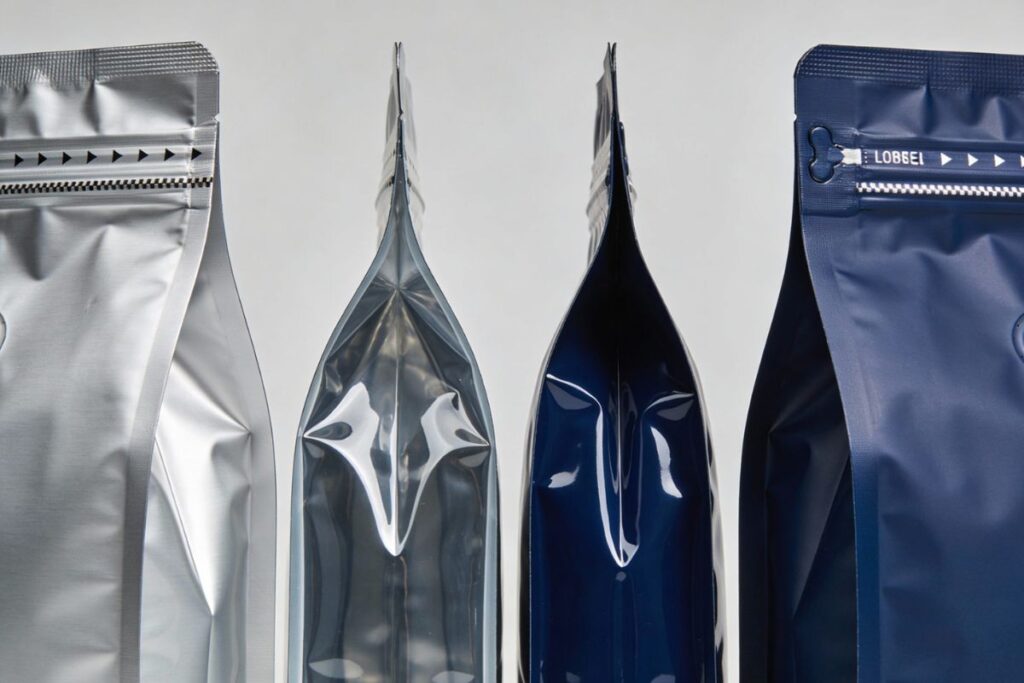
If a product develops rancid odors, darkened color, or flavor changes when left exposed, it is highly sensitive to oxygen. This is common in high-fat foods such as fried products, nuts, coffee, and spices. In such cases, standard film pouches do not provide sufficient oxygen barriers. Laminated pouches with thicker, high-performance barrier layers play a crucial role in slowing oxidative degradation.
2. Is the food sensitive to moisture?
Products that rely on crispness or dryness—such as snacks, dried fruits, or seaweed—can lose quality immediately when exposed to even minimal moisture. If texture is a core value of the product, selecting laminated pouches with superior moisture vapor barriers helps preserve quality until the product reaches the consumer.
3. Is the odor a challenge or a selling point?
Some foods have highly distinctive aromas, including fried durian, dried fish, cheese, or curry pastes. If these odors escape, they may compromise the product’s image or affect nearby items. Conversely, external odors entering the pouch can distort the food’s flavor. Laminated pouches are therefore preferred when odor control is a critical requirement.
4. Is a longer shelf life required beyond short-term sales?
If products are not intended for same-day sales and must go through storage, consignment, or extended transportation, packaging must maintain quality throughout this period. Laminated pouches not only extend shelf life but also reduce quality variation between individual packages.
5. Consistency of product quality
From a business perspective, one of the most damaging issues is inconsistency within the same production batch due to external environmental factors. Laminated pouches help minimize environmental impact, allowing each pouch to maintain a more uniform level of quality.
6. The freshness state of the packaged food
The final consideration is the condition of the food itself. Fresh foods or fruits and vegetables with active cellular respiration may not be suitable for high-barrier laminated pouches, as restricted airflow can accelerate deterioration. In contrast, for fully processed foods, laminated pouches can be selected confidently based on the factors above.
In addition, Hoei, a laminated pouch manufacturer, can design customized packaging solutions tailored to processed foods with unique characteristics—whether in aroma or flavor—ensuring that these qualities are preserved throughout the packaging process.
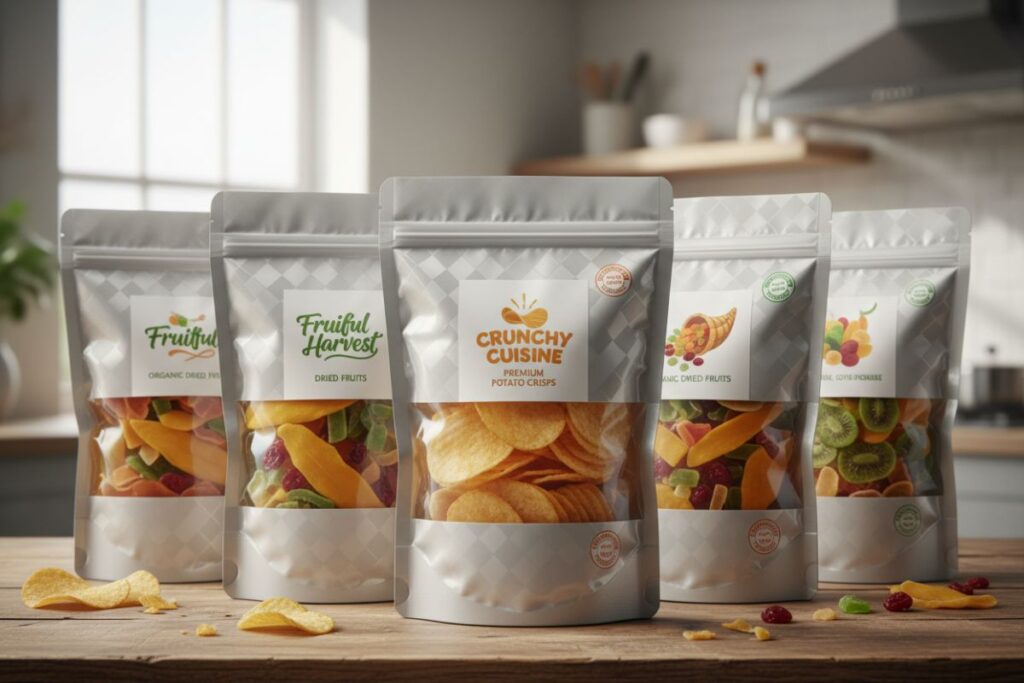
Hoei Laminated Pouches as a Tool for Preserving Food Quality and Identity
Laminated pouches for strong-smelling and high-fat processed foods do more than extend shelf life; they actively control product quality throughout the entire journey—from post-production, storage, and transportation, to the moment the consumer opens the package. Reducing rancidity, containing odors, and maintaining texture all help keep the product as close as possible to its original packaged condition.
When laminated pouches are properly designed, they preserve the product’s identity without compromise. The aroma, flavor, and tactile experience that the brand intends to deliver remain intact, unaffected by storage or logistics conditions.
Designing laminated pouches is therefore not merely about food containment—it is a continuous part of delivering product value and brand identity. When selected and engineered correctly, laminated pouches from Hoei’s food packaging manufacturing facility become a critical tool in ensuring that processed foods retain both quality and brand image until the very first moment the consumer opens the package.