

A refill pouch must remain practical from the first opening to the final use. While film strength and barrier performance are important, the zipper often determines whether consumers can store and use the product successfully over time.
A suitable closure should open easily, align correctly, and remain secure after repeated use. The pouch must also stand upright, protect the contents, and work with the intended filling process.
Choosing the right format therefore requires brands to evaluate the product, zipper, material structure, filling equipment, and consumer use together.
What Is a Refill Stand-up Pouch?
A refill stand-up pouch is a flexible package with a bottom gusset that allows it to stand upright. A zipper near the top lets consumers reopen and close the package after the original top seal has been removed.
Refill pouches generally follow one of two models:
- Pouch refills another container: The contents are transferred into an existing bottle, jar, or dispenser.
- Pouch remains the primary package: The consumer uses and stores the product directly inside the pouch.
The first model may only require one controlled pour. The second requires the zipper, gusset, and seals to perform throughout the product’s entire use cycle.
This difference affects the required opening width, zipper strength, pouch stability, and material structure.
Why Is the Zipper Important?
The zipper protects the remaining product after opening. A poorly selected closure may become difficult to align, collect product residue, or fail to close completely.
Important factors include:
- Opening and closing force
- Track alignment
- Resistance to product residue
- Compatibility with oils, powders, or surfactants
- Performance under heat, cold, or humidity
- Reliability throughout repeated use
A zipper that is too loose may not give consumers confidence that the pouch is closed. One that is too stiff may make the package inconvenient to use.
The zipper should provide a clear closing sensation without requiring excessive force.
Which Zipper Type Fits the Product?
Different closures suit different products and usage patterns.
| Zipper type | Suitable applications | Main advantage | Key consideration |
| Press-to-close | Dry foods, powders, grains, and household refills | Familiar and cost-effective | Product residue can block the tracks |
| Wide-profile zipper | Larger or heavier refill products | Easier alignment and stronger closing feel | Requires more space near the opening |
| Slider zipper | Frequently opened products | Consistent and intuitive operation | Higher cost and equipment complexity |
| Child-resistant zipper | Products requiring restricted access | Helps reduce unintended opening | Must meet applicable market requirements |
| Hook-and-loop closure | Fine powders and products that leave residue | Can remain usable when particles reach the closure | May offer less barrier protection |
A standard press-to-close zipper may be suitable for coffee, snacks, grains, supplements, and cleaning powders. A slider or wide-profile zipper may be worth considering when the package will be opened frequently.
Child-resistant systems should only be selected after reviewing the product classification and regulatory requirements in the target market.
How Does the Product Affect Zipper Selection?
The contents can directly affect closure performance.
Powders and Granules
Fine particles may collect between the zipper tracks and prevent complete closure. The pouch should provide enough headspace for consumers to access and clean the zipper area.
A wider opening may also improve pouring and reduce spills.
Food Products
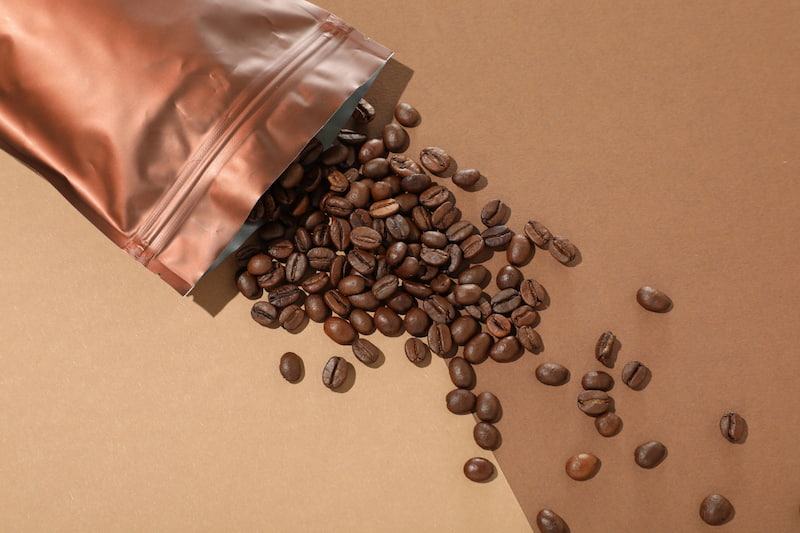
Snacks, coffee, pet food, and other products used over several occasions require consistent protection after opening. The zipper should remain aligned even when the pouch becomes less full.
Personal Care and Household Refills
Products containing oils, surfactants, fragrances, or active ingredients may affect the zipper and sealant layers over time.
The completed pouch should be tested for:
- Swelling or softening
- Leakage
- Odour transfer
- Discolouration
- Changes in opening or closing force
Testing with the actual formulation is more reliable than selecting a zipper from a generic application list.
How Do Zipper Pouches Compare with Other Refill Formats?
The correct format depends on how the consumer accesses the product.
| Format | Best suited to | Main advantage | Main limitation |
| Stand-up zipper pouch | Powders, snacks, tablets, granules, and wide-access products | Repeated opening through a wide top | Residue may interfere with the zipper |
| Spout pouch | Liquids, gels, sauces, and pourable products | Controlled pouring and resealing | Narrow spout limits access |
| Refill sachet | Single-use or full-transfer refills | Low material use | Usually cannot be resealed |
| Rigid bottle or jar | Products needing structural protection | Familiar and durable | Uses more storage and transport space |
| Bag-in-box | Larger-volume liquids | Efficient bulk dispensing | Requires a box and fitment |
A zipper pouch is most suitable when consumers need direct access through the top. A spout pouch is generally better for liquids that must be poured in controlled amounts.
Spout pouches can also be resealed when fitted with a screw cap. The main difference is therefore the method of access, not simply whether the package can close again.
For more detail on controlled pouring and resealable liquid packaging, read our blog about why liquid packaging is moving towards spout pouches.
What Material Structure Does a Refill Pouch Need?
The material must provide enough strength, sealability, and barrier protection for the product.
Mono-Material Structures
Mono-material pouches use layers from the same main polymer family, such as PE-based materials designed to work together.
This can simplify sorting and recycling compared with structures made from incompatible polymers. However, the complete package must still be assessed, including the zipper, printing, adhesives, and labels.
A mono-material claim does not guarantee that the pouch will be collected or recycled in every market.
Multi-Layer Laminates
Multi-layer structures combine materials with different functions. One layer may provide print quality, another strength, and another protection from moisture, oxygen, aroma, or light.
These structures may be necessary for sensitive products, but they can be more difficult to recycle through conventional systems.
Read our blog on how laminated pouches help maintain food quality for more information on the role of barrier and sealing layers.
The best structure is the simplest one that still protects the product throughout filling, transport, storage, and use.
What Should Brands Test Before Production?
A pouch should be tested while filled with the actual product. Approving an empty sample alone does not show how the package will perform during use.
Repeated-Use Testing
Open and close the pouch for the expected number of consumer uses. Monitor:
- Zipper alignment
- Closing force
- Leakage
- Track deformation
- Product buildup
- Ease of operation
Read our blog on why zipper click feeling and seal integrity matter for a closer look at closure performance and common zipper problems.
Product Compatibility Testing
Store the product inside the final material structure and check for changes in the film, zipper, seals, colour, odour, and product quality.
Handling and Transport Testing
Filled pouches may experience drops, stacking pressure, vibration, refrigeration, and long-distance delivery. Testing should confirm that the gusset, side seals, top seal, and zipper remain intact.
Consumer Testing
Home-use trials can reveal problems that may not appear during factory testing, including:
- Difficulty aligning the zipper
- Unstable pouch shape
- Spillage while pouring
- Product trapped around the closure
- An opening that is too narrow
- Instructions that are unclear
These issues should be corrected before full production.
How Does Filling Affect the Pouch Design?
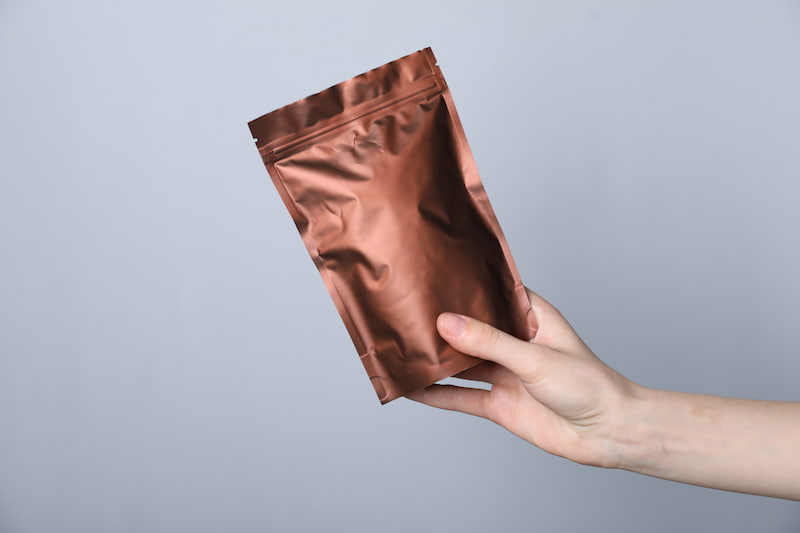
The filling method influences the opening width, zipper position, headspace, top seal, and achievable production speed.
Premade zipper pouches are commonly filled through the open top before a tamper-evident seal is applied above the zipper. Automated equipment must open the pouch without damaging or contaminating the closure.
Manufacturers should confirm:
- Maximum fill weight
- Product temperature
- Required headspace
- Pouch opening width
- Zipper position
- Top-seal area
- Filling speed
- Seal-jaw compatibility
- Leak-testing method
The package should also show clear evidence of first opening. A tear-off section or sealed area above the zipper can protect the contents before purchase.
Packaging decisions should begin with the actual formulation and production process. Read our blog on why packaging manufacturers must understand the product for more on matching packaging to filling, storage, and distribution conditions.
How Do Shape and Consumer Use Affect the Pouch?
The bottom gusset should keep the pouch stable while it is full and as the product level decreases.
Traditional stand-up pouches use a curved bottom gusset that expands during filling. Flat-bottom pouches use a broader base and separate panels, providing a more structured appearance and potentially greater shelf stability.
Flat-bottom formats may suit heavier products or premium branding, although they can require more material and manufacturing steps. Read our blog about flat-bottom stand-up zipper pouches when comparing base styles.
The package should also be easy to hold, open, pour from, and store. Brands should consider grip strength, opening force, instruction clarity, and whether the package can be used comfortably by the intended customer.
How Should Sustainability Claims Be Assessed?
Flexible refill pouches can use less material and transport space than some rigid alternatives, especially when consumers continue using an existing bottle or dispenser.
However, the environmental outcome depends on:
- The total amount of material used
- Product protection and waste prevention
- Whether the original container is reused
- Transport efficiency
- Local collection and sorting
- Compatibility of the pouch and zipper
- Actual recycling conditions
Brands should avoid unsupported claims such as “zero waste,” “fully recyclable,” or “eco-friendly.”
The EU Packaging and Packaging Waste Regulation introduces requirements related to packaging minimisation, recyclability, labelling, and certain reuse and refill systems. Brands selling into Europe should assess the complete pouch rather than the film body alone.
Read our blog about food pouches and PPWR requirements for EU exports for further context.
How Do You Choose the Right Refill Pouch?
Use the following process:
- Define the refill model. Decide whether the pouch will refill another container or remain the main package.
- Assess the product. Review texture, particle size, oils, surfactants, aroma, and barrier requirements.
- Choose the closure. Match the zipper type and opening width to the expected use.
- Select the material. Use only the barrier and strength needed for the product.
- Confirm filling compatibility. Review equipment, headspace, top seals, and production speed.
- Test the completed pouch. Conduct repeated-use, compatibility, leakage, and transport testing.
- Validate consumer use. Confirm that users can open, dispense, close, and store the package correctly.
The right pouch should balance product protection, filling efficiency, repeated-use performance, consumer convenience, and end-of-life considerations.
Conclusion
At Hoei Thailand, we develop stand-up zipper pouch solutions according to the product, filling process, expected consumer use, and target market. A successful refill pouch must do more than reduce material or stand upright on a shelf. Its film, gusset, zipper, seals, and printing must work together to protect the contents and remain practical throughout use. We therefore recommend testing the complete package with the actual product before commercial production.
FAQ
What is the main advantage of a stand-up pouch with a zipper?
It provides wide access to the contents and allows the package to be closed again after opening. This makes it suitable for powders, granules, snacks, tablets, and other products used over several occasions.
Are zipper pouches suitable for liquids?
They can hold certain liquids, but spout pouches are usually easier to pour and control. Zipper pouches are better when consumers need access through a wide top opening.
How many times can a zipper be reused?
There is no universal number. Performance depends on the zipper profile, product residue, storage conditions, and consumer handling. The closure should be tested for the expected use cycle.
Are stand-up zipper pouches recyclable?
Some PE-based mono-material structures may be compatible with suitable PE recycling systems. Actual recyclability depends on the complete package and the infrastructure available in the target market.
Should the pouch have a seal above the zipper?
Yes, in most retail applications. A sealed section above the zipper provides tamper evidence and protects the contents before first opening.